In the dry stretches around Deendayal Port Authority in Gujarat, Prosopis juliflora — locally known as gando bawal — has long been viewed as a nuisance. Now, it is being recast as a resource at the heart of a bio-methanol project at the port.
The invasive shrub spreads rapidly, degrades land and crowds out native vegetation. Now, it is being recast as a resource at the heart of a bio-methanol project at the port to convert waste biomass into clean fuel. The project is among several 'green' initiatives launched under the auspices of the Harit Sagar Guidelines (2023) and Maritime India Vision 2030 to achieve net-zero goals.
The pilot project, currently at the engineering stage and slated for commissioning by March 2027, is being developed as a technology demonstration unit at an estimated cost of about ₹100 crore. While modest in scale, its implications for clean energy, waste utilisation and port-led sustainability are significant.
"This is a biomass-to-methanol project. We are handling the biomass-to-syngas conversion, while Thermax Ltd is taking care of the syngas-to-methanol synthesis."
At full capacity, the plant will produce around 5 tonnes of methanol per day, using 15–20 tonnes of biomass. The primary feedstock will be Prosopis juliflora.
The transformation of a low-value biomass into a high-value liquid fuel involves a series of controlled thermochemical and catalytic reactions. Here is how it works, step by step:
The process is both efficient and flexible — it can accommodate a variety of feedstock, including agricultural residues such as peanut shells and sawdust.
"There is enough and more supply."
From an economic standpoint, bio-methanol occupies a middle ground.
"This will be much cheaper than e-methanol but more expensive than conventional variants."
The cost is expected to fall once the process is scaled up and optimised. The aim is to produce low-carbon marine fuel that meets stringent international requirements on emissions reduction, sustainable sourcing and supply chain traceability — for use in both domestic and export markets such as Europe.
For Deendayal Port Authority (DPA), the project is as much about learning as it is about production. The bio-methanol produced is expected to be blended with conventional fuels to power tugs and other port service vessels. The pilot will generate critical insights on feedstock logistics, process stability and integration within port ecosystems.
What makes the Kandla initiative particularly compelling is its circular approach. It tackles the problem of an invasive species, creates local livelihoods, produces cleaner fuel and offers carbon sequestration benefits.
- Circular Economy — invasive biomass cleared, local jobs created, clean fuel produced, carbon sequestered.
- Ecological Restoration — controlling gando bawal helps rehabilitate Banni grasslands and native ecosystems.
- Maritime Decarbonisation — fuel blended into port tugs and vessels, supporting net-zero port operations.
The bio-methanol push is part of a larger strategy. DPA is simultaneously exploring a ₹3,500 crore e-methanol project of 1.5–2 lakh tonnes per annum capacity, as it seeks to position itself as a bunkering hub for low-carbon fuels on the busy shipping corridor between the ports of Rotterdam and Singapore by the end of the decade.
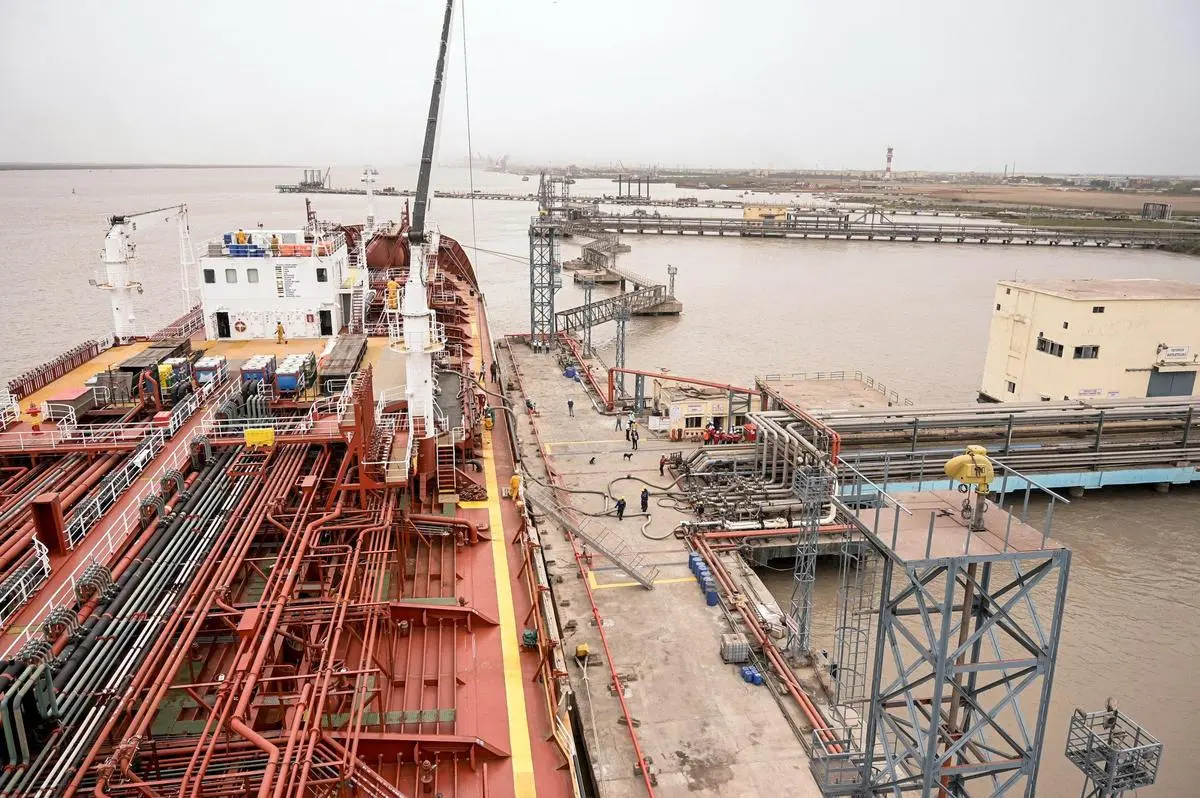
On April 2, the port successfully carried out its first shore-to-ship methanol bunkering trial, validating fuel transfer systems, safety protocols and operational readiness. The exercise saw participation from industry partners including Stolt Tankers, JM Baxi, Aegis Vopak and Indian Oil Corporation Ltd, with technical verification by DNV.
With plans to secure the supply of up to 500 KTPA of green e-methanol by 2028–29, Kandla is steadily positioning itself as a future refuelling hub.
What was once an ecological burden
may soon help power a more sustainable future.
From invasive weed to clean marine fuel — Kandla leads the way.
.png)