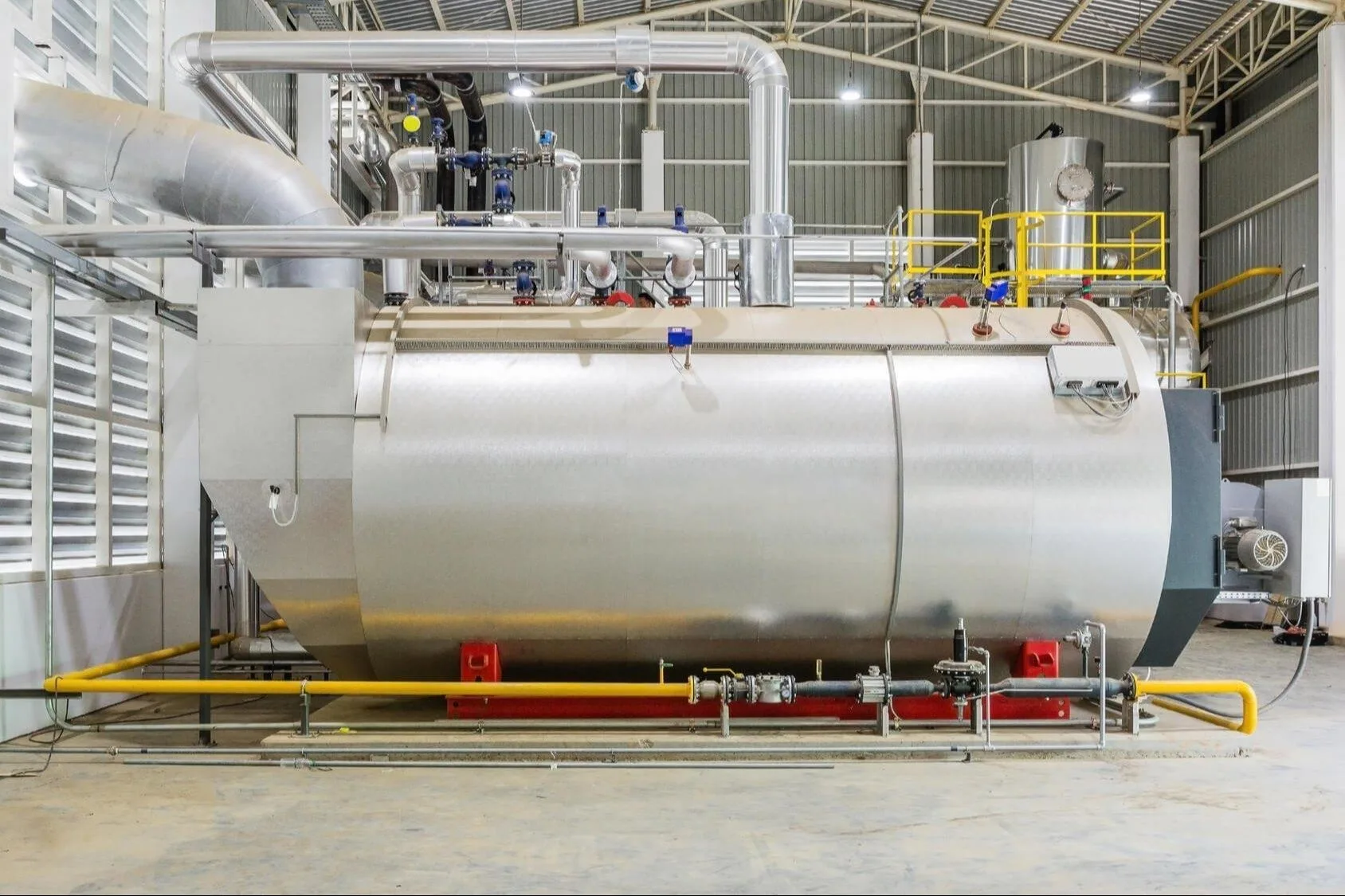
For industries dependent on continuous process heat — ceramics, chemicals, pharmaceuticals, fertilizers, and more — this is no longer a future concern. It is a present operational risk.
When Fuel Becomes the Weakest Link
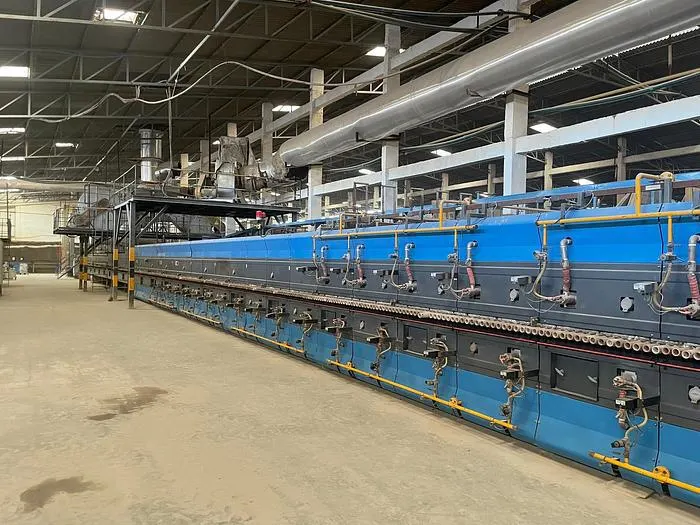
For years, industries have relied on PNG (Piped Natural Gas), LPG / Furnace Oil, and Coal as primary energy sources. But today, these fuels bring three major challenges:
-
1Price Volatility
Fuel costs are no longer stable. They fluctuate based on global events, supply chains, and policy changes — leaving plants exposed to sudden margin shocks. -
2Supply Uncertainty
- Allocation limits imposed by distributors
- Supply disruptions during peak demand
- Infrastructure and pipeline constraints
-
3Margin Pressure
- Even efficient plants are seeing shrinking margins
- Reduced competitiveness in export markets
- Difficulty in long-term pricing and contracts
🏭 Different Clusters, Same Problem
While the energy crisis is universal, it manifests differently across industrial clusters. The geography shapes the risk, but the underlying threat is identical.
The Cost Pressure Cooker
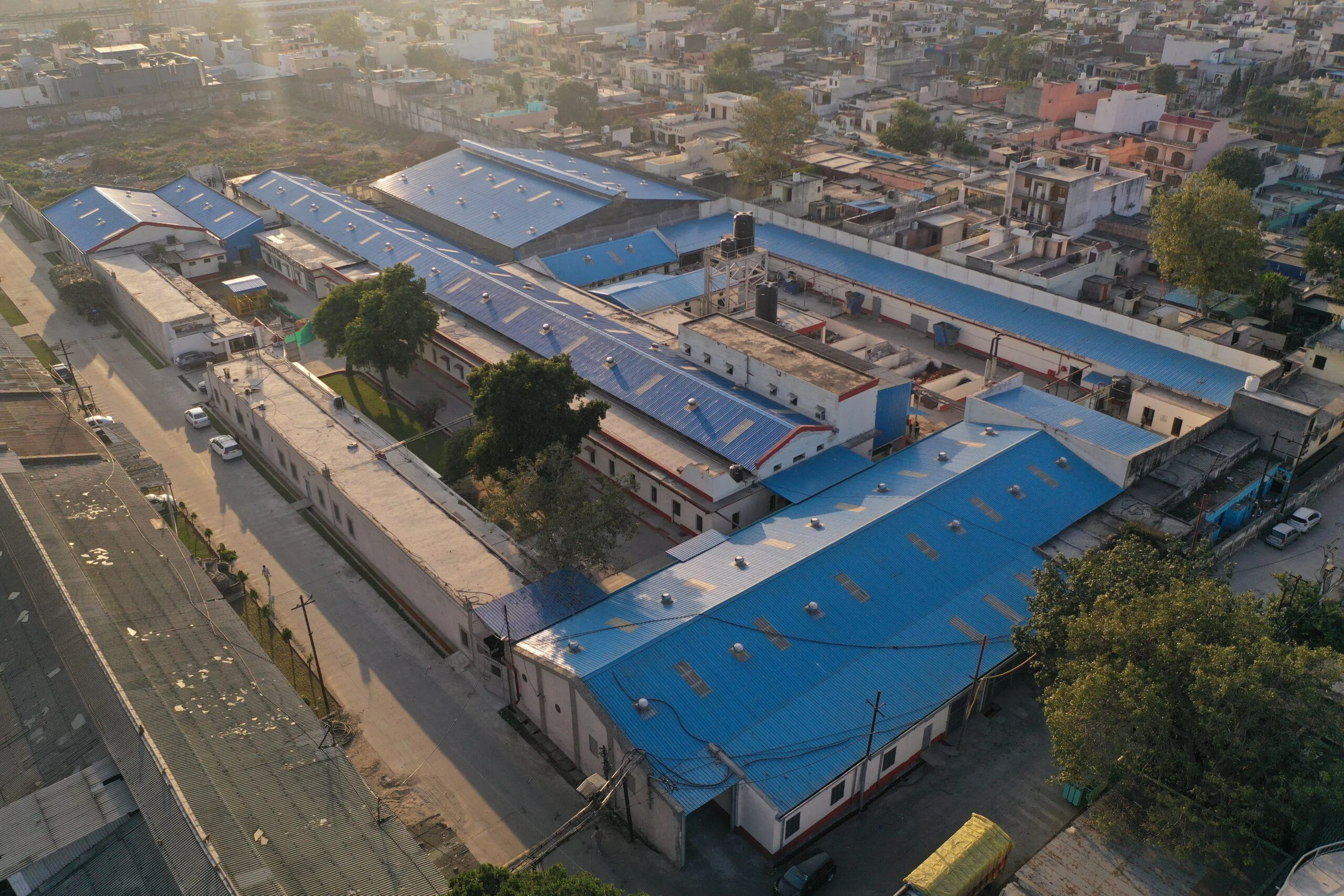
In Morbi, fuel is not just a cost — it is the cost. Tile kilns run continuously at high temperatures, gas price spikes directly impact production viability, and competition is intense and margin-sensitive.
For many manufacturers, the question is no longer "How do we reduce cost?" but:
"How do we survive the next fuel spike?"
The Risk Equation
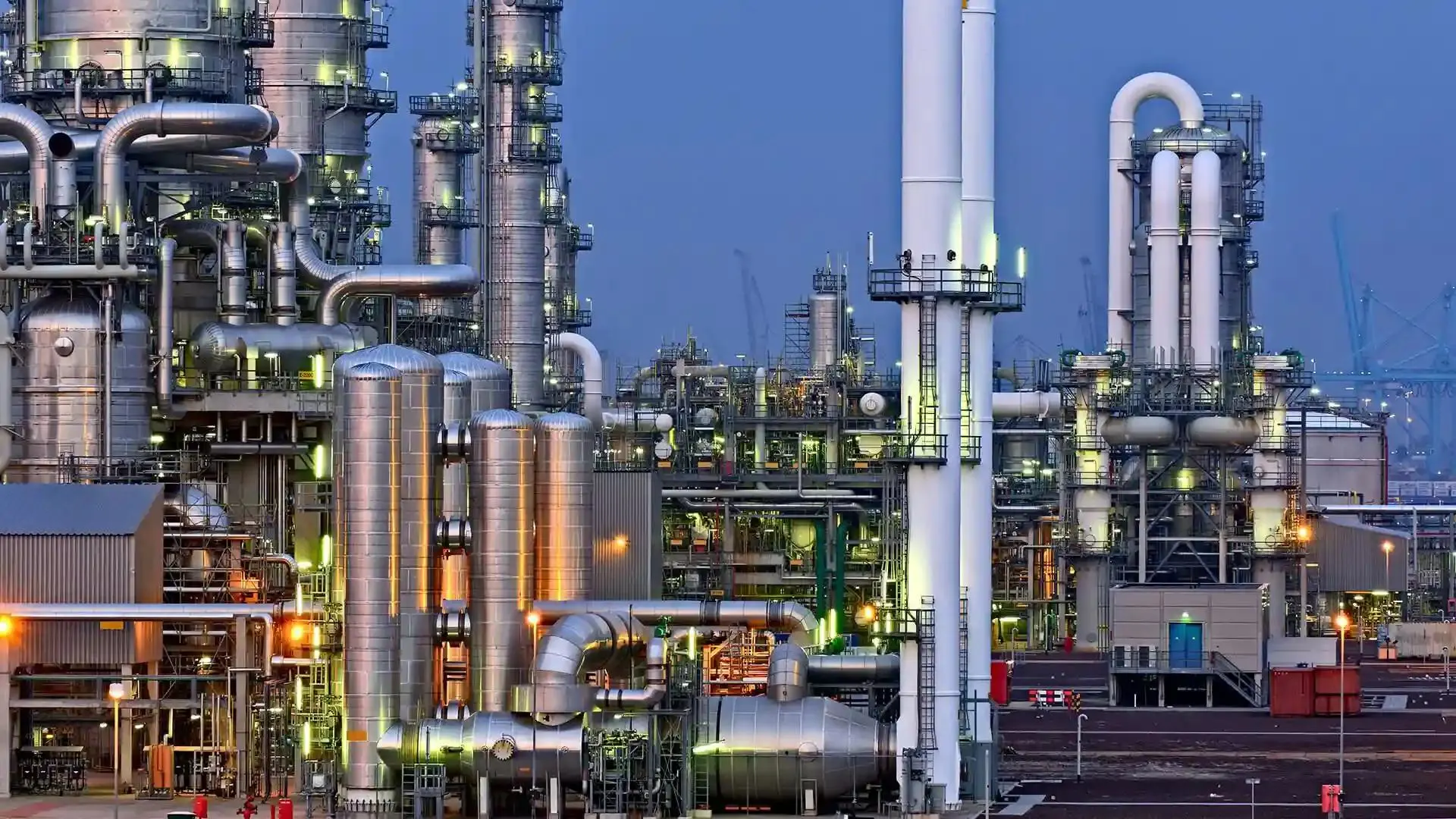
In Ankleshwar, the challenge is more nuanced. Continuous processes cannot afford downtime. Steam and thermic heat are critical to operations. Compliance and safety are non-negotiable.
Here, decision-makers are asking:
"Can I switch fuels without risking my process?"
The Strategic Shift
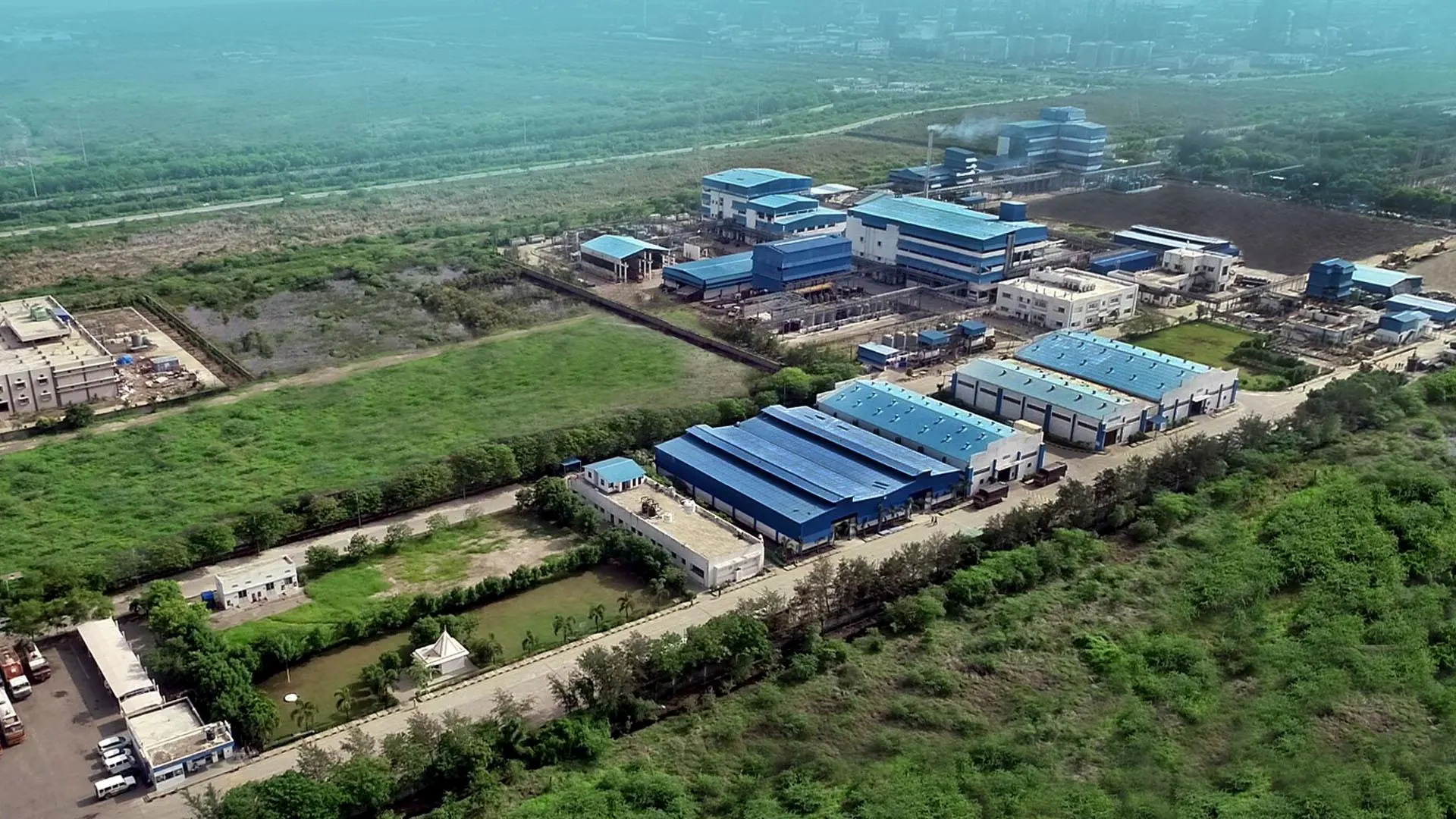
In Vadodara, the conversation is evolving. Large companies are planning long-term, ESG and global compliance are becoming critical, and energy is now seen as a strategic lever, not just an expense.
🔥 The Shift: From Fuel Dependency to Fuel Control
The real transformation is not about switching fuels. It is about shifting from dependency on volatile external markets to full ownership of your energy ecosystem.
Dependency on volatile external fuels
Control over your own energy ecosystem
This is where biomass-based gasification systems are changing the equation for industrial manufacturers across Gujarat and beyond.
🌱 Beyond Cost Savings: A Dual Advantage
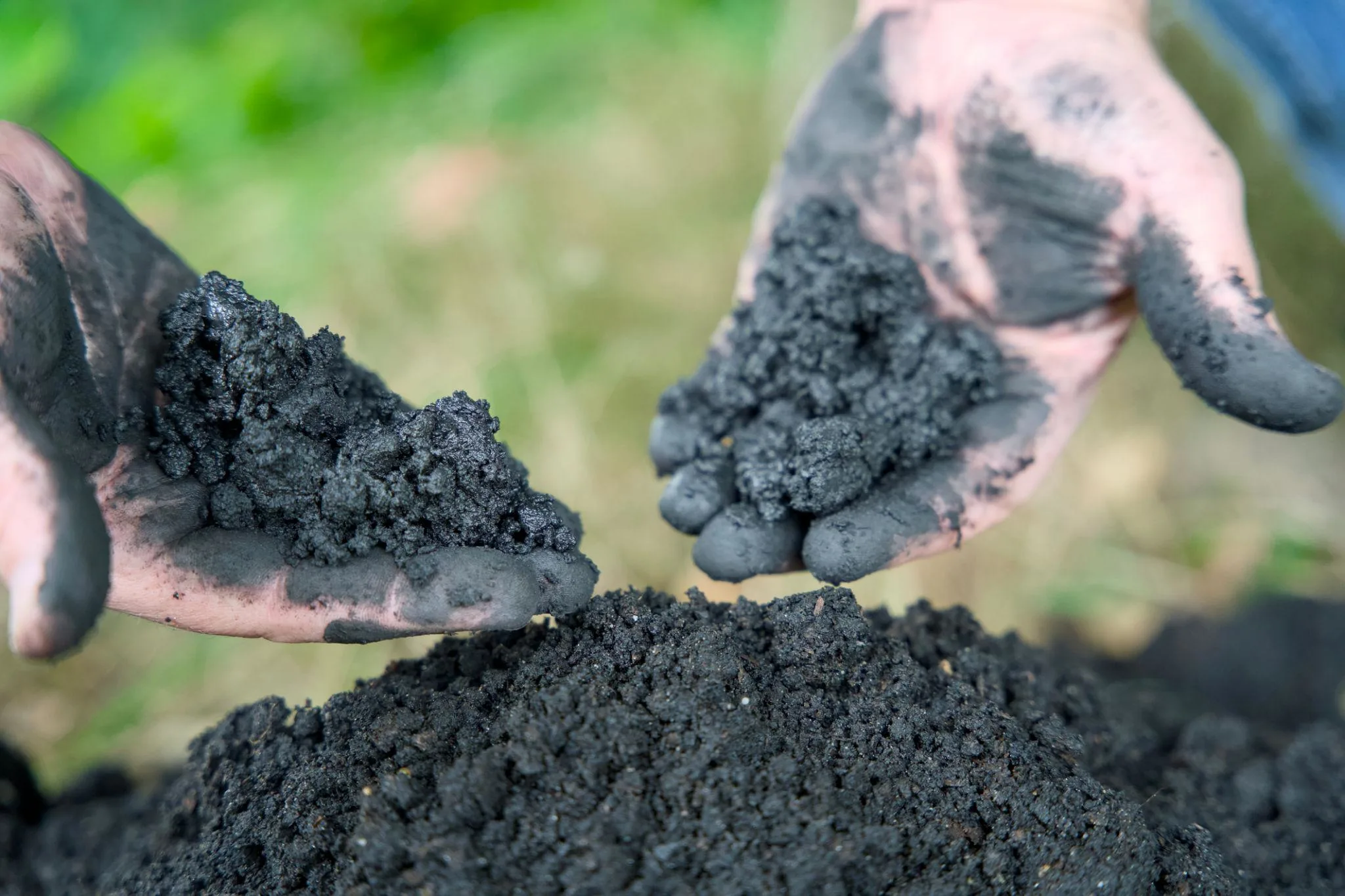
Modern biomass gasification offers a compelling dual advantage that extends well beyond simple cost reduction:
Stable, Predictable Energy
Locally sourced biomass reduces exposure to global price volatility and enables confident long-term cost planning for your plant.
Biochar as a Co-Product
Improves soil health, creates potential carbon credit opportunities, and powerfully supports your ESG and sustainability goals.
🧠 What Decision Makers Are Realizing
Across industries, a clear pattern is emerging. The early adopters are not asking "Is this sustainable?" — they are asking a more fundamental question:
"Is this reliable, scalable, and financially viable?"
And once those answers are clear — sustainability becomes a natural advantage, not the primary driver. The business case comes first; the green credentials follow naturally.
🚀 The Early Mover Advantage
Every major industrial transition follows a predictable adoption curve:
- 1Skepticism — "This won't work for our process"
- 2Pilot Adoption — Early movers test, validate and gain advantage
- 3Cluster-wide Shift — The entire industry follows the leaders
In regions like Morbi and Ankleshwar, this shift has already begun. The companies that move early gain decisive advantages over those who wait.
✅ Early Movers Gain
- Significant cost advantage
- Operational resilience
- Strong market positioning
⚠️ Late Movers Face
- Higher transition pressure
- Competitive disadvantage
- Forced urgent adoption
🔍 The Real Question
This is no longer about whether alternative energy solutions will be adopted in industrial India. The adoption curve is already in motion across Gujarat's major clusters.
Will your business lead the transition — or be forced into it later?
📩 Let's Start the Conversation
If your operations depend on continuous process heat, high fuel consumption, or face exposure to volatile energy markets — it may be time to explore a more resilient alternative.
Connect with Ankur Scientific.png)