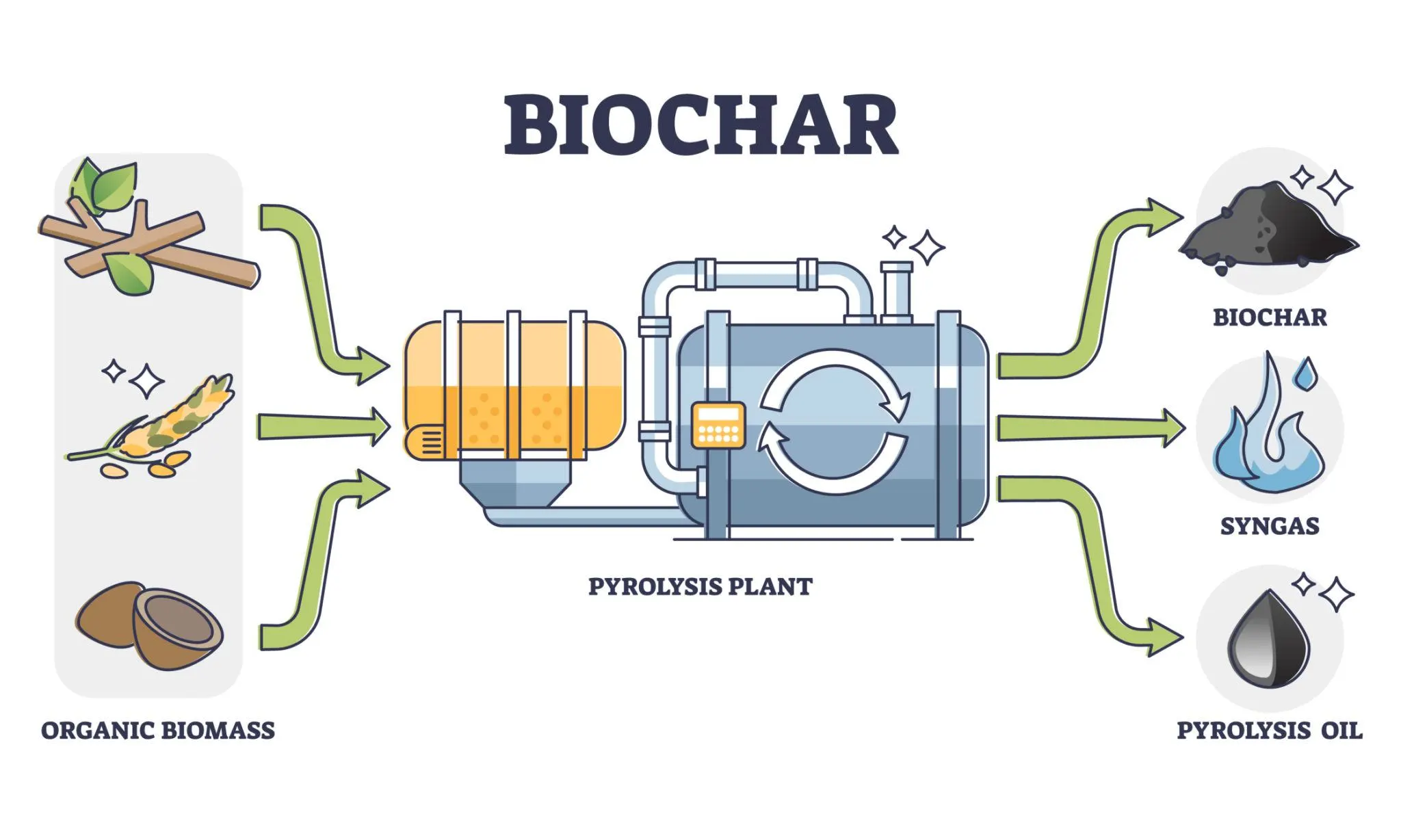
Biochar is one of the few technologies that creates real, measurable value — transforming waste into energy, improving soil systems, and locking carbon away for centuries, creating a powerful pathway to carbon-negative operations.
How Biochar is Made: From Biomass to Carbon Stability
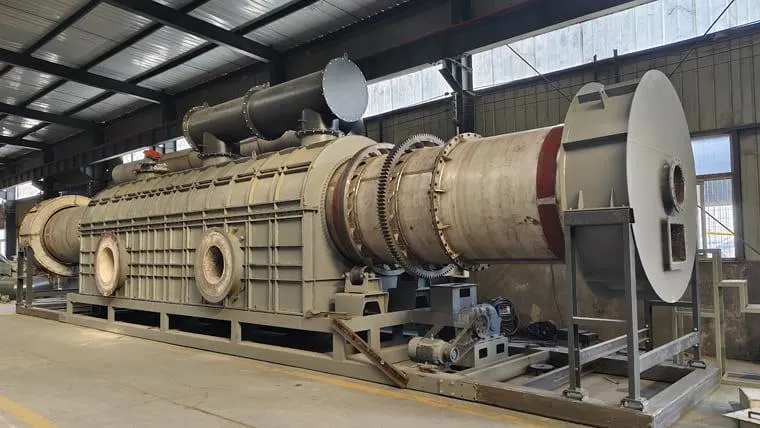
Biochar is produced through biomass gasification or pyro-gasification — a thermochemical process where organic material is heated at high temperatures in a low-oxygen environment.
-
Biomass feedstock input
Agricultural residues, wood waste, or municipal waste is fed into the gasification system. -
Controlled thermochemical breakdown — the material breaks down into two streams:
- Syngas — a clean fuel used for heat, power, or industrial applications
- Biochar — a stable, carbon-rich solid with long-term sequestration potential
-
Carbon stabilization
Unlike combustion (which releases carbon immediately), this process captures and stabilizes carbon in the form of biochar — permanently.
Biochar and Decarbonization: Beyond Emission Reduction
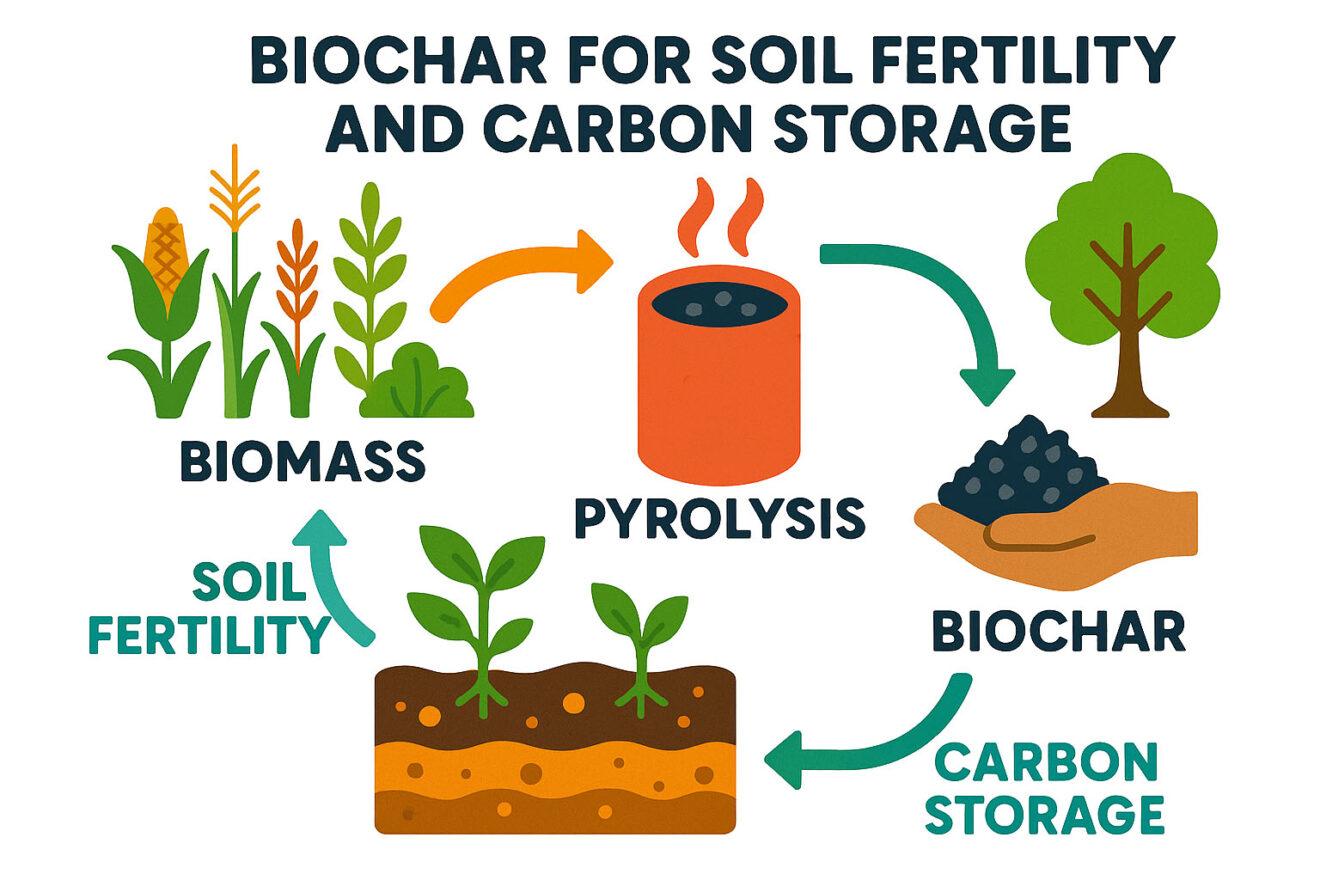
Most decarbonization strategies focus on reducing emissions. Biochar goes a step further — it actively removes carbon from the atmosphere.
🌿 The Carbon Cycle of Biochar
- Plants absorb CO₂ from the atmosphere during growth
- That carbon is converted into stable biochar through gasification
- Biochar resists decomposition for hundreds to thousands of years
- When applied to soil or used in materials, it becomes a long-term carbon sink
This makes biochar one of the few genuinely carbon-negative solutions available to industry today.
CH₄ & N₂O Reduction
Reduction in methane and nitrous oxide emissions from waste decomposition.
Soil Fertility
Improved soil structure, fertility, and water retention when applied to agricultural land.
Circular Waste Use
Circular utilization of industrial and agricultural waste streams that were previously discarded.
For Industries, This Means:
- ✔ Lower overall carbon footprint
- ✔ Reduced dependence on fossil fuels
- ✔ Alignment with global ESG and net-zero goals
Unlocking Value: Carbon Credits and CorCs
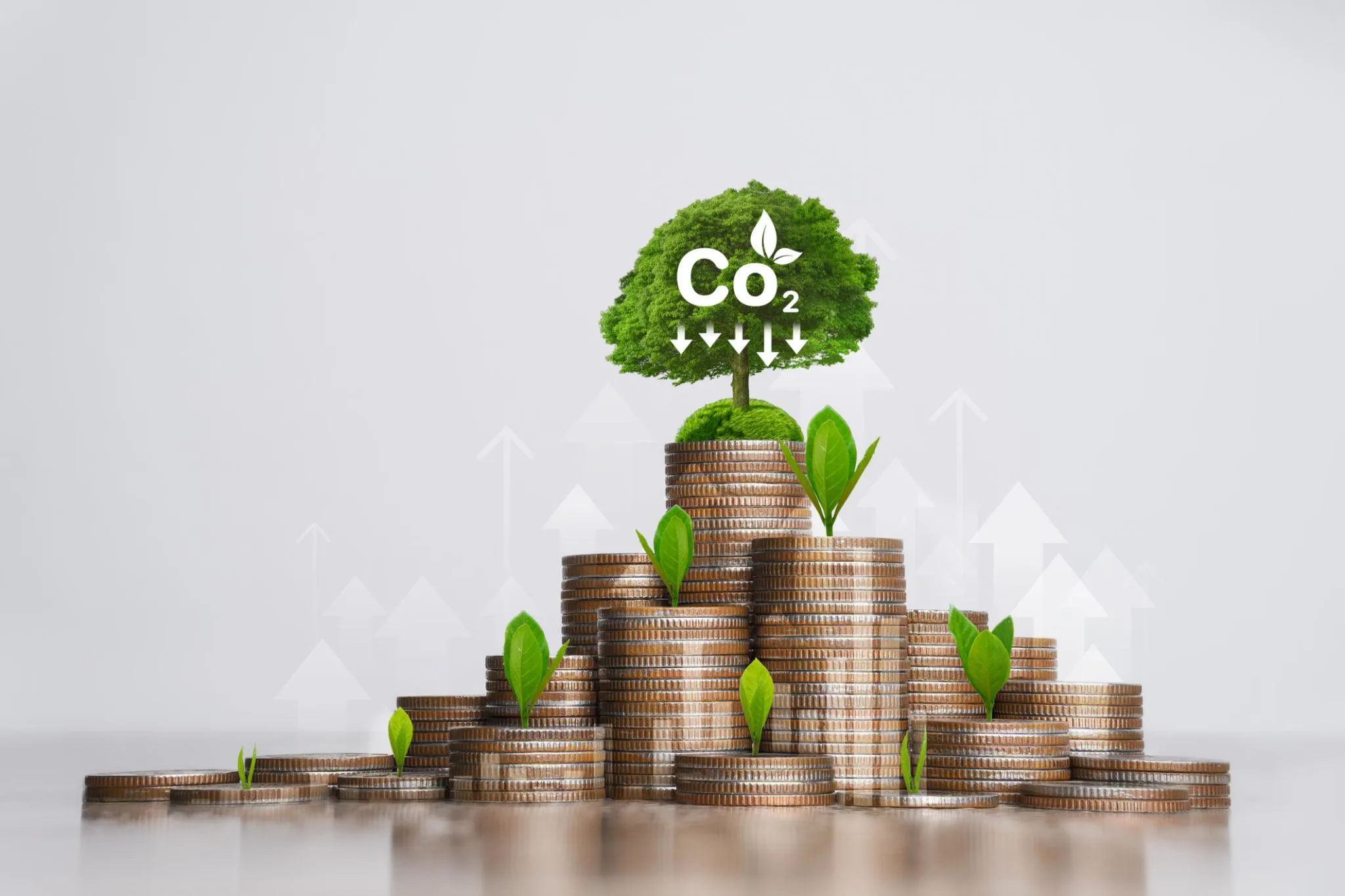
One of the most powerful aspects of biochar is not just what it prevents — but what it earns. Through verified systems, biochar projects can generate Carbon Removal Credits (CorCs).
⚙️ How CorCs Work
- The amount of carbon stored in biochar is measured and independently verified
- This is converted into carbon removal credits
- Credits are sold in voluntary carbon markets to companies offsetting emissions
Why CorCs matter more than traditional credits:
- Unlike traditional credits (avoided emissions), CorCs represent actual carbon removal
- They are increasingly high-value and globally in demand
- Buyers include corporations committed to verified net-zero targets
Who Can Benefit?
Biochar and CorCs open up new revenue streams across sectors — turning what was once a waste problem into a multi-layered value proposition.
🏭 Industries
- Replace fossil fuels with syngas
- Generate revenue through carbon credits
- Reduce carbon tax exposure
🌾 Agri Enterprises
- Convert agricultural waste into value
- Improve soil productivity with biochar
- Participate in carbon markets
🏙️ Municipalities
- Manage waste sustainably
- Generate energy locally
- Monetize carbon removal
From Cost Center to Profit Center
Traditionally, waste management and decarbonization have been seen as costs — overheads that erode margins without adding value. Biochar fundamentally changes that equation.
Waste
Energy
Carbon Asset
Revenue
It allows organizations to convert waste into energy, convert carbon into an asset, and convert sustainability into revenue — simultaneously.
The Way Forward
As global carbon markets mature and climate accountability becomes stricter, solutions like biochar will play a critical role in shaping the future of energy and sustainability.
The question is no longer whether to decarbonize. It is how to do it in a way that creates lasting value. Biochar offers that pathway.
📩 Explore Biochar for Your Operations
Whether you're looking to reduce carbon footprint, generate carbon credits, or convert waste streams into value — Ankur Scientific can help you evaluate the pathway.
Connect with Ankur Scientific.png)